
Strengthening Bihar’s Agriculture:
Bihar’s seed system face significant challenges, including weak delivery of hybrids/HYVs, low SRR &VRR, and poor private-sector participation. Quality seeds can contribute to improving productivity by 15-20% and potentially up to 50-60% with effective crop management and agronomy. Bihar’s seed sector continues to face systemic challenges that hinder agricultural growth:
-
- Current Seed Replacement Rate (SRR): Approximately 35-40%, below the desired level of 60-70%
-
- Current Varietal Replacement Rate (VRR): Merely 15-20%, far from the recommended benchmark of 35-40%
A weak SRR and VRR indicate that farmers continue to use outdated, low-performing seed varieties, which significantly limits productivity and it is one of the biggest challenges of farmers in Bihar.
We along with Bill & Melinda Gates Foundation (BMGF, take up this big task to improving the VRR and SRR in farmers aiming to work with 10 lakh of farmers and started an initiative Bihar Seed Transformation Project — a pioneering initiative aimed at revolutionizing Bihar’s agricultural landscape. This transformative effort seeks to enhance agricultural productivity by facilitating varietal replacement in key crops such as rice, maize, mustard, pulses, and wheat.
The overarching goal of the project is to ensure that 10 lakh farmers across Bihar gain access to high-yielding, climate-resilient, and disease-resistant crop varieties, thereby improving farm-level productivity, profitability, and food security.
The Bihar Seed Transformation Project aims to:
🔹 Improve SRR and VRR through the promotion of climate-resilient, high-quality seed varieties
🔹 Strengthen the institutional framework for seed production, certification, and timely distribution
🔹 Facilitate robust public-private partnerships to foster innovation, investment, and outreach
🔹 Build the capacity of farmers and seed value chain actors via field demonstrations and extension services
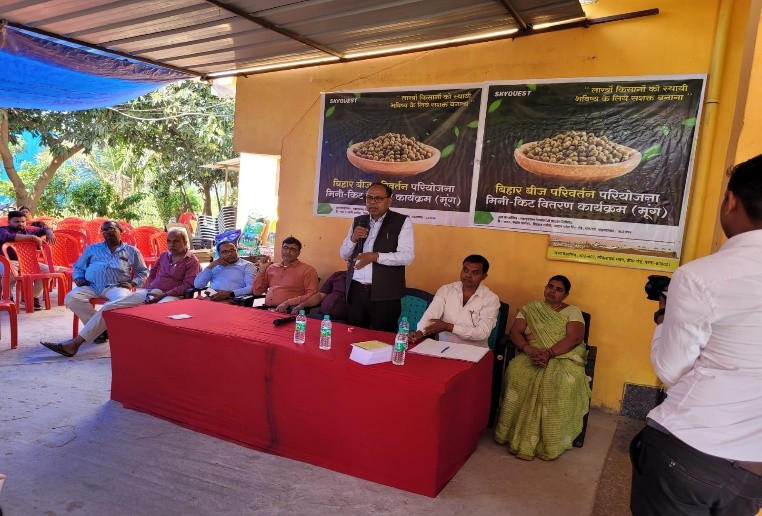
As part of this initiative, in the Current Garma season we found that Moong was homogeneously used and the SRR and VRR was very low (SRR- Approximately 10% and VRR- Approximately 12 % -15%). We have identified a new variety of moong ( PM 205-7 (VIRAT) IPM 410-3 (SIKHA) IPM 2-3 HUM-16 and distributed it Free Seed Mini Kits among 900 farmers across key districts of Bihar along with the package and practices. This event marked a crucial milestone toward our larger objective of reaching 10 lakh farmers under the program.
Key Highlights:
-
- Selection of Beneficiaries: In coordination with Farmer Producer Organizations (FPOs) and Krishi Vigyan Kendras (KVKs)
-
- Advantages of current seed variety of moong:
- Nitrogen-fixing properties that restore soil health
- High demand in local and regional markets
- Excellent return on investment for smallholder farmers
- Climate-resilient and adaptable across diverse agro-ecologies
- Excellent for crop diversification and intercropping
- Strong profitability and low input requirement
- Advantages of current seed variety of moong:
-
- Extension Support: Each kit was distributed with a Package of Practices (PoP) to help farmers maximize productivity
On-Ground Impact
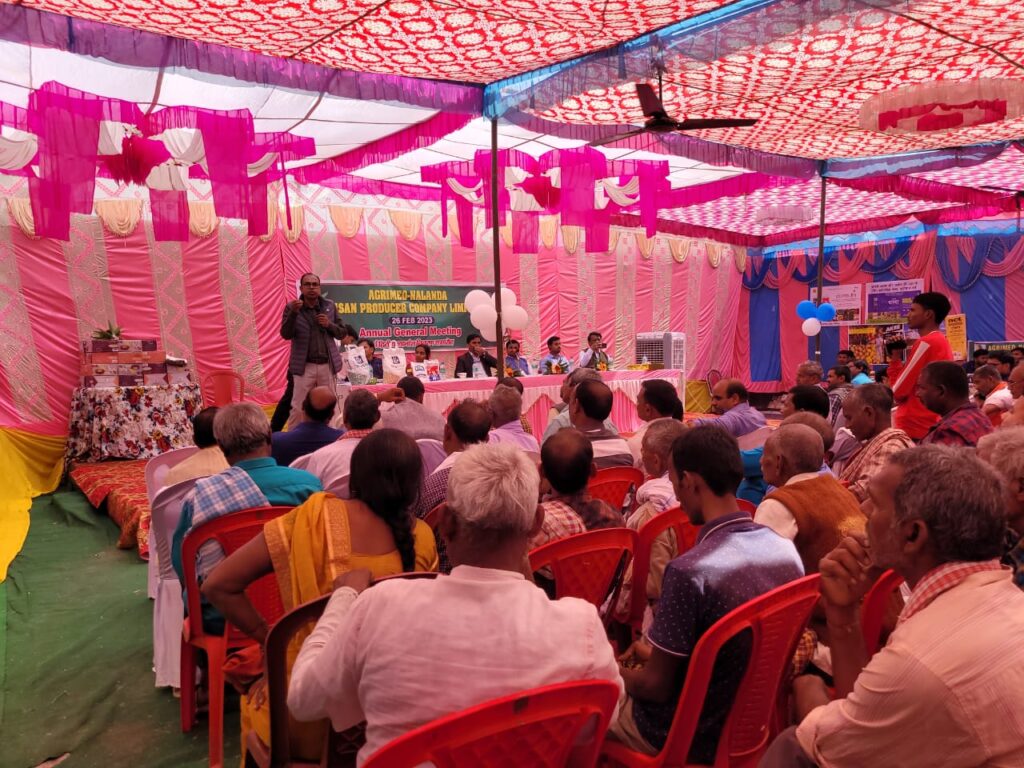
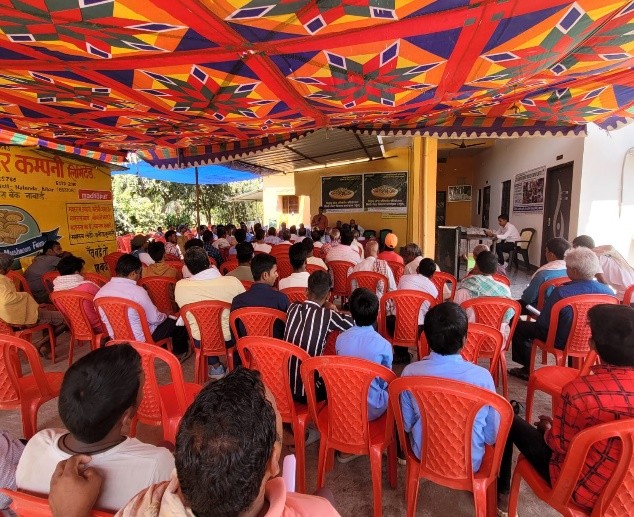
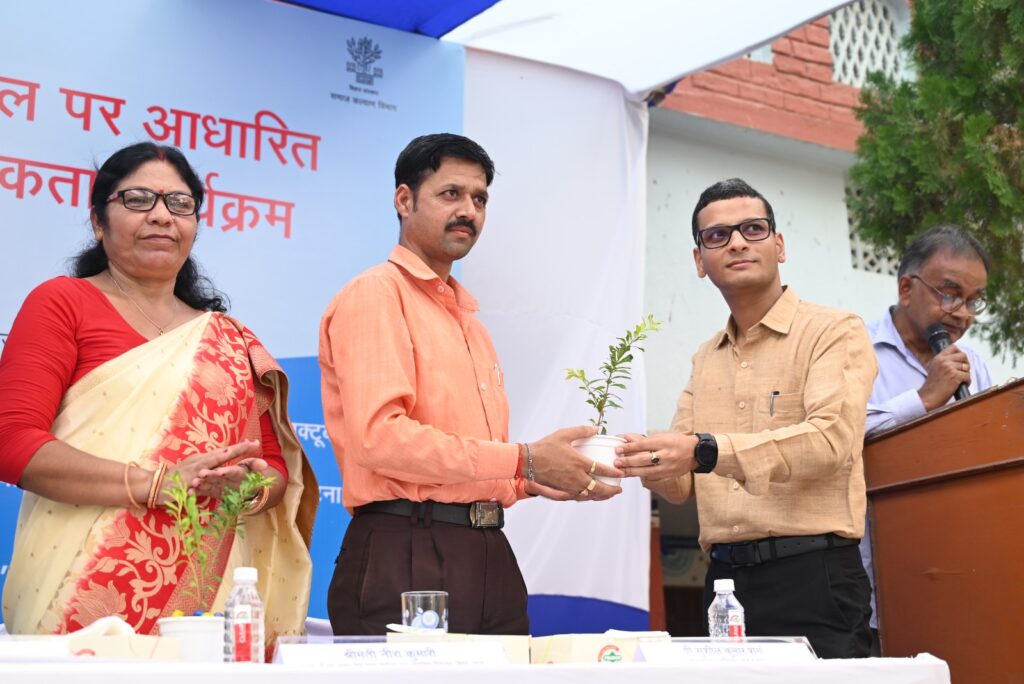
Some snapshots from the distribution event have been shared below, capturing the enthusiasm of farmers, the involvement of local institutions, and the collaborative spirit of transformation. These moments reflect the promise of a more resilient and prosperous agri-future for Bihar.
Together, let’s sow the seeds of change.